
Shaheed President Ziaur Rahman: The Man Who Gave Us Our Identity
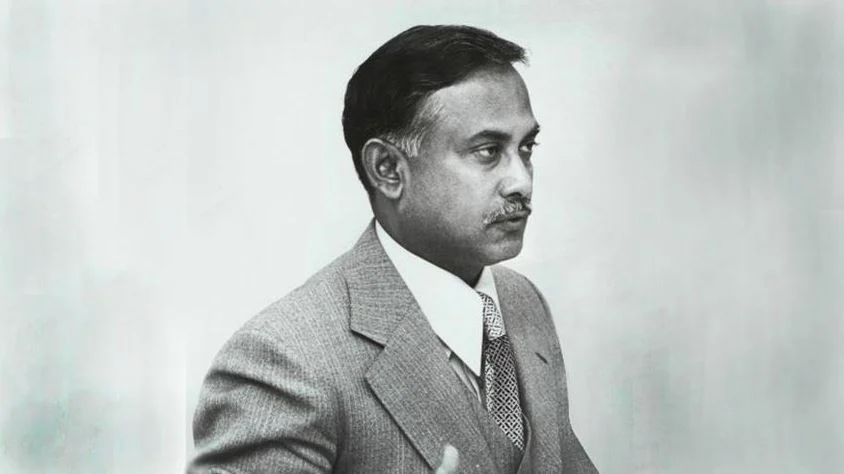
I want to write about Ziaur Rahman the way I think about him — not as a figure in a textbook, but as the man who shaped the country I love.
On 27th March 1971, Major Ziaur Rahman proclaimed the declaration of independence of Bangladesh from the Kalurghat Radio Station in Chittagong. Think about what that took. The Pakistan Army was everywhere. The country was in chaos. And this man stood in front of a microphone and told an entire nation: we are free. That voice — raw, urgent, certain — became the voice of Bangladesh itself.
More Than a Freedom Fighter
What makes Ziaur Rahman extraordinary isn't just 1971. It's what came after. He took a country that was on its knees and gave it direction. He introduced multiparty democracy when others wanted one-party rule. He founded the Bangladesh Nationalist Party on 1st September 1978 — built on Bangladeshi nationalism, sovereignty, democracy, and self-reliance.
His nineteen-point program prioritised food self-sufficiency, rural development, and population control. Not glamorous policies — necessary ones. He understood that nation-building isn't about speeches. It's about whether people have enough to eat.
Why He Still Matters
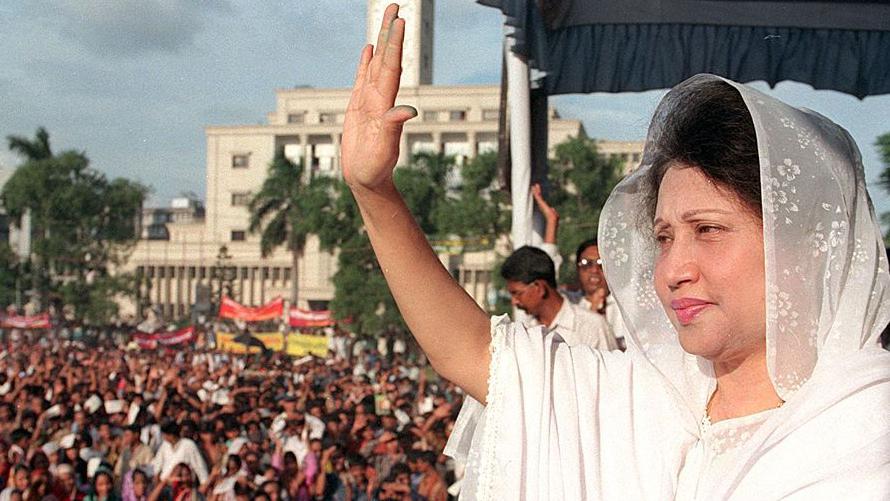
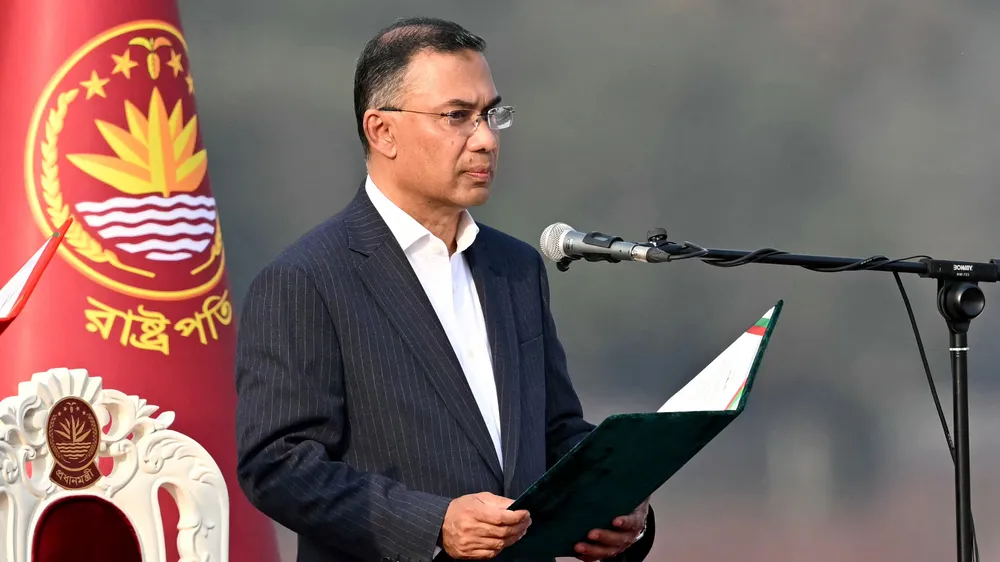
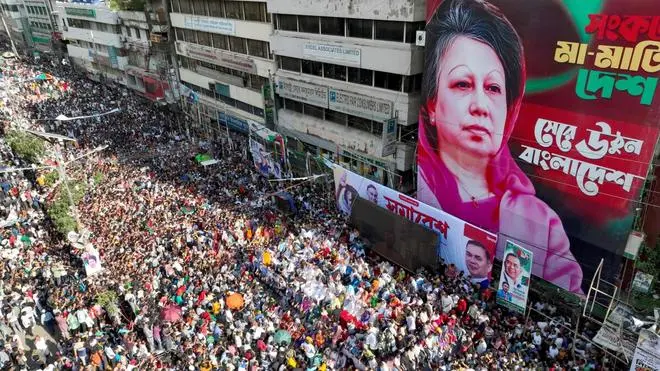
Shaheed President Ziaur Rahman was martyred on 30th May 1981. He was 45 years old. But what he built didn't die with him. BNP has since won five parliamentary elections — 1979, 1991, February 1996, 2001, and 2026. His wife became Prime Minister three times. His son leads the country today. The ideology of Bangladeshi nationalism that he planted has become a tree that shelters millions.
I carry his vision every day. The path he paved — patriotism, democracy, and love for the motherland — is the path I walk. And I'll walk it until my last breath.
— Tanveer Ahmed Rizvi