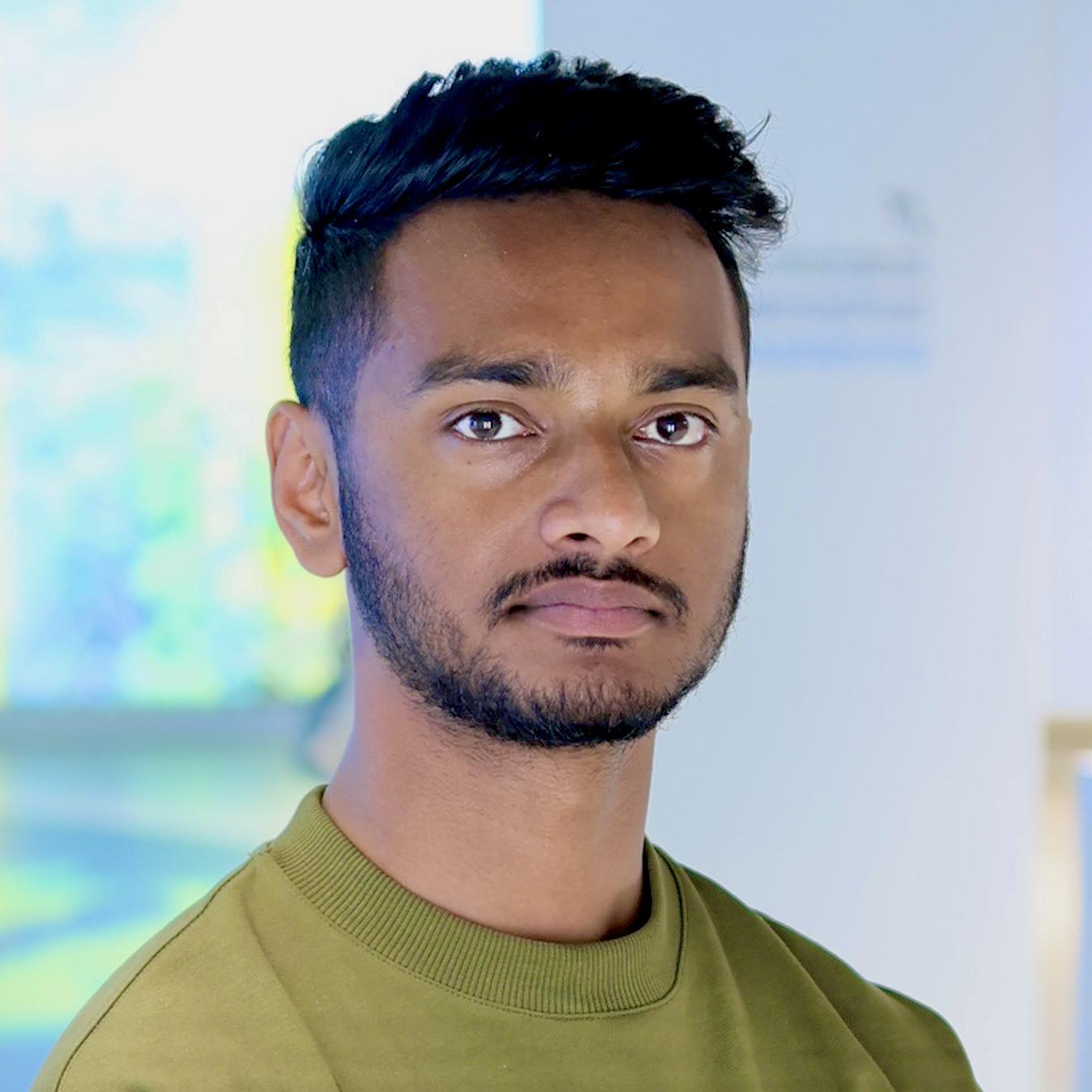
তানভীর রিজভী
Mohammad Tanveer Ahmed Rizvi
"I grew up in Bangladesh, I saw what needed to change, I went abroad to learn how — and I will return to make it happen."
"I grew up in Bangladesh, I saw what needed to change, I went abroad to learn how — and I will return to make it happen."
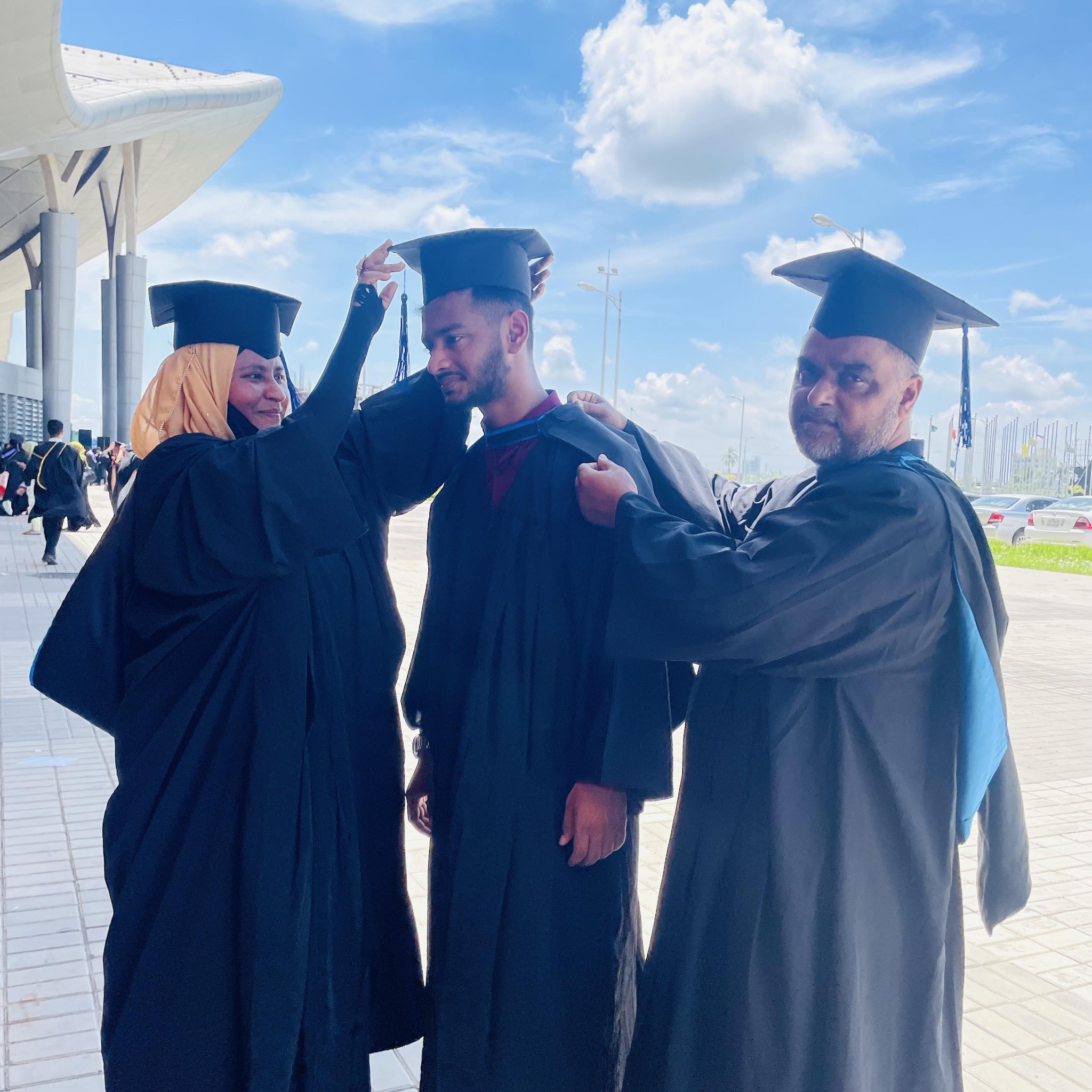
I grew up in Araihazar, Narayanganj, in a family where politics wasn't something we watched on television — it was something we lived. My father, Md. Sirajul Haq Bhuiyan, Joint Secretary of Araihazar Upazila BNP, taught me through example what it means to serve your country even when it costs you something.
During the years of authoritarian rule, I saw things that changed me forever. People losing their right to vote. Voices being silenced. I couldn't stand by. Today, I'm a member of the Bangladesh Nationalist Party — the party that gave Bangladesh multiparty democracy. I currently work with BNP Germany and BNP Europe, continuing to serve the party even while abroad.
Multiparty democracy is non-negotiable. It's the gift Shaheed President Ziaur Rahman gave us, and we will protect it with every breath.
Politicians want uneducated voters because educated people won't dance to their commands. I want to destroy that equation.
Cox's Bazar, Sundarbans, Bandarban. We have what no other country has. Time to show it to the world.
Since 2018, I haven't thrown a single polythene or plastic on the ground. Change Bangladesh by starting with yourself.
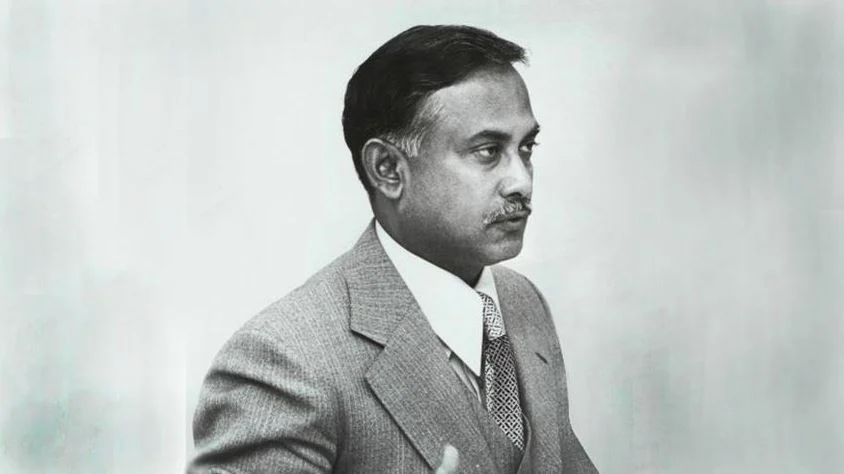
Shaheed President Ziaur Rahman proclaimed our independence, founded BNP, and gave Bangladesh its political identity.
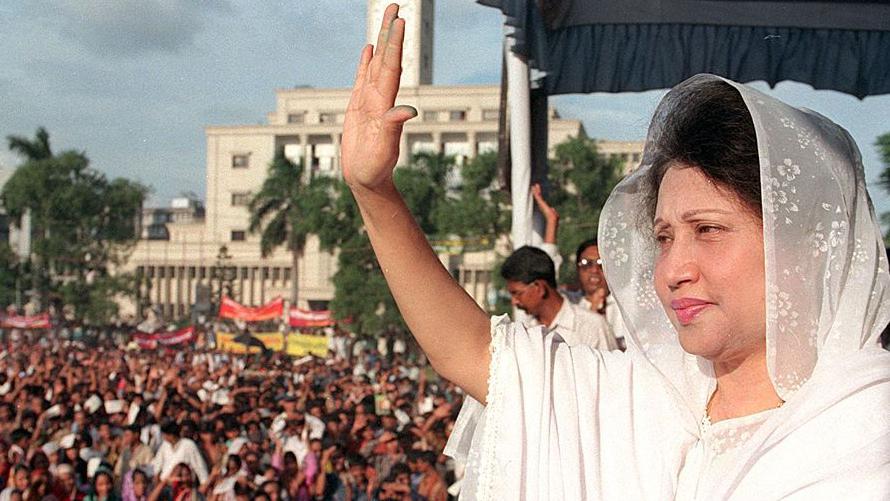
Begum Khaleda Zia — the Mother of Democracy who never bowed to any authoritarian force.
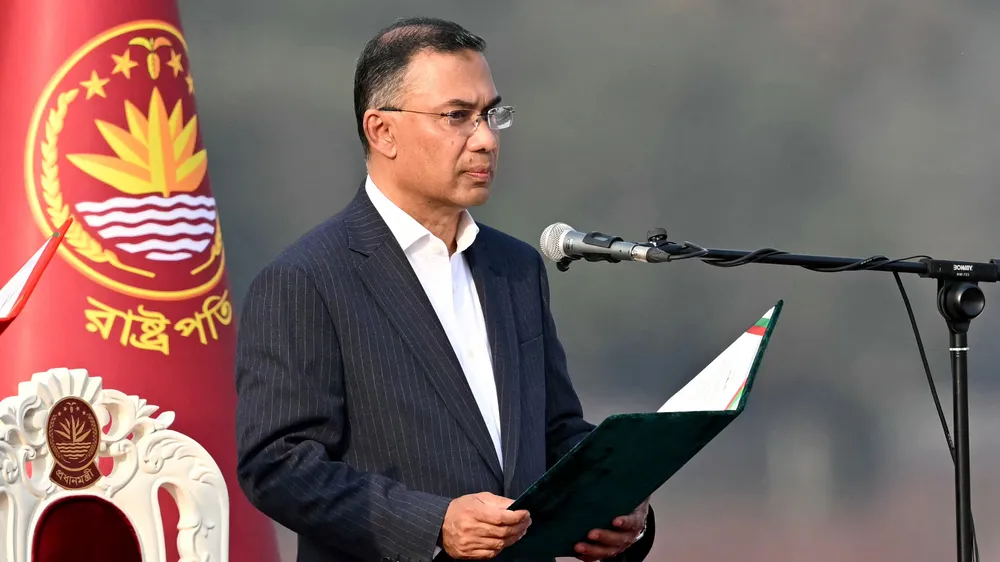
PM Tarique Rahman returned home and led BNP to a historic victory in 2026.